Donation Essentials Blog
Does My Religion Support Organ, Eye and Tissue Donation?
Earlier this month, we observed World Religion Day, which is a day dedicated to highlighting commonalities among different religions. For those who are religious, understanding how their faith supports organ, eye, and tissue donation can be key to saying “yes” to saving lives. Religious perspectives are often a common concern when people consider donation and transplantation, and learning that many faiths endorse donation can help guide the decision to become a donor after death.
All Major Religions Support Donation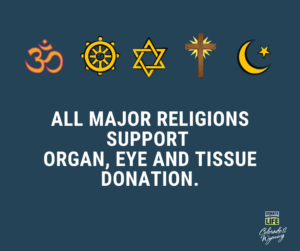
Did you know all major religions in the U.S. support organ, eye and tissue donation? Organ, eye, and tissue donation saves lives and offers hope to those in need. Many religions and spiritual traditions recognize donation, both after death and while living, as an act of kindness, charity, and love. Some consider it the highest expression of compassion for others. Some view donation as the utmost act of love and compassion one can have for their neighbor. Each year, generous organ, eye, and tissue donors save and heal thousands of lives.
Why the Faithful Should Consider Being Organ, Eye and Tissue donors?
Here in our community, there’s nearly 1,300 people waiting for a lifesaving organ transplant, many of whom self-identify as people of faith. Learning about your faith’s stance on donation can guide your decision. If you sign up as an organ, eye, and tissue donor, you can bring hope to those waiting for a lifesaving transplant. Organ donation is the greatest act of charity you can perform. Knowing the facts about donation helps you make an informed decision, rather than letting myths or unknowns influence your decision.
Become Familiar with Your Faith’s Stance on Donation
If you’re hesitant about registering, consider talking with your faith leaders to learn how organ, eye, and tissue donation is viewed in your religion. Discussing your questions can help you understand your faith’s traditions, ceremonies, and how they align with donation. Being informed can give you confidence and peace of mind when deciding to become a donor.
What About Respecting and Caring for the Deceased?
Traditional funeral and burial services are important to all faith communities. Deceased organ donors are always treated with the utmost respect and dignity throughout the entire donation process. If your loved one’s organs are eligible to be donated, a team of specialist surgeons show respect during the recovery process by caring for the donor in a way that still allows a traditional open casket funeral.
Leave a Legacy of Love
Donor Alliance Advocate Volunteer and liver recipient, Phil Workman, spoke about the impact his life-saving transplant, and how that journey ties into his Catholic faith. “For Catholics, there’s no greater gift than sharing your life with another. Organ donation is putting faith into action,” Phil reflected.
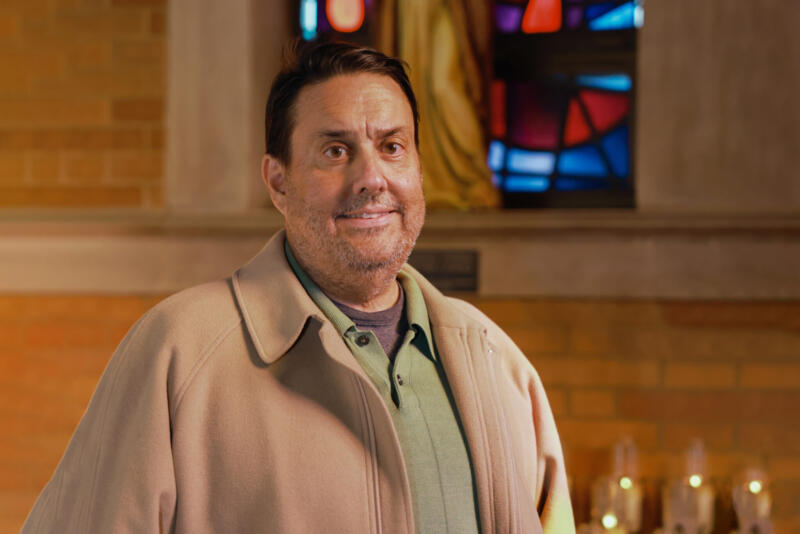
While Phil’s experience reflects his Catholic beliefs, the need for donation affects people from all backgrounds and faiths. You have the ability to leave a legacy of love through organ, eye, and tissue donation by saving and healing lives in your community.
We encourage you to learn more about your faith’s stance on organ donation and consider signing up as a donor. You can sign up anytime online at Donate Life Colorado or Donate Life Wyoming. Once you’ve registered, share your decision with your loved ones and others in your faith community.