When you say yes to registering as an organ, eye, and tissue donor at the Driver License Office, it’s more than a quick decision at the counter. It’s a decision that can carry forward long after your own life is over. But you might wonder: what organs can be donated?
Do you know what organs can be donated and transplanted?
Organ donation is giving the gift of life by providing one organ, multiple organs, or a partial organ for transplant into one or more people.
While the list of organs and tissues that can be successfully transplanted continues to grow with advances in technology, eight major organs can be transplanted after death. Living donation is another incredible way you can help save the life of someone waiting for an organ transplant.
Which Organs Can Deceased Donors Donate?
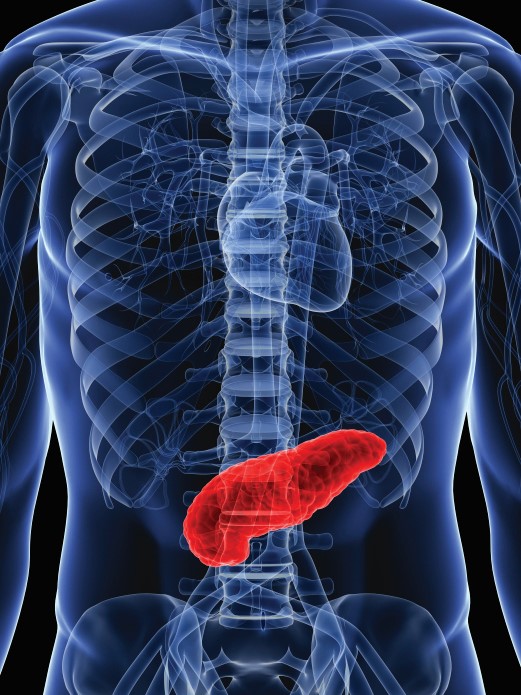
Deceased organ donation is giving the gift of life after you pass away by providing an organ, organs or a partial organ to be transplanted into one or more people. A deceased donor can donate and save up to eight lives by donating organs after death. The major organs that can be transplanted include the heart, intestines, kidneys, liver, lungs, and pancreas. In some cases, the liver can even be split to help two people.
Saying ‘yes’ to donation is saying yes to giving hope. It’s a way to make something meaningful out of loss and give someone a second chance at life.
To make your decision to sign up as an organ, eye, and tissue donor, register here in Colorado or Wyoming.
Which Organs Can Living Donors Donate?
Living donation is another option to give the gift of life to a person in need of a transplant. Living donation is not part of the Donate Life Colorado Organ and Tissue Donor Registry and should be discussed directly with a transplant center. Although Donor Alliance is not involved in this donation process, it’s an incredible way you can help save the life of someone waiting for a transplant.
A living person can donate a kidney or part of the liver, lung, intestine or pancreas to another person in need of a transplant. Each potential living donor must go through a full medical evaluation that includes lab tests, a physical examination, and a psycho-social examination. The decision about whether to accept the living donor is then made by the health care team at the transplant center.
Living kidney donation is the most common living donation and helps save thousands of lives each year. Donating a portion of one’s lung, liver, pancreas and intestine are more rare circumstances. You can learn more about living donation and transplant centers in our area to see if living donation is an option for you.
We encourage you to learn the facts about organ, eye and tissue donation so you can make an informed decision. Then, sign up anytime online, and each time you get your driver’s license or state ID at your local Driver Licenses Office in Colorado, we honor your most recent decision, so it is important to say ‘yes’ every time.
Remember to always share your heroic and lifesaving decision with your family and loved ones.